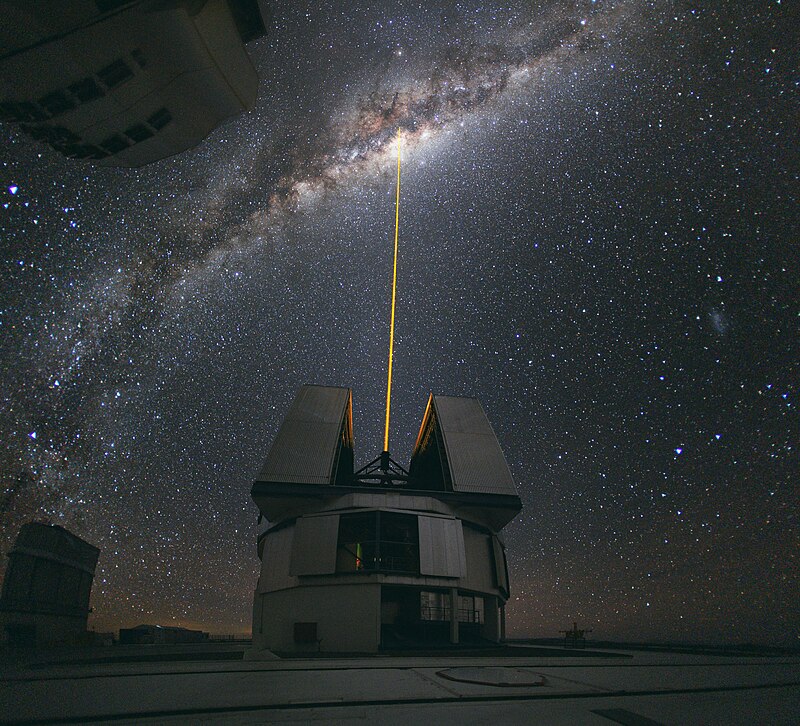

Astrophysics is a specialty that combines two fields of science: astronomy and physics. Astrophysicists use the principles of physics to study the solar system, stars, galaxies, and the universe. How did the universe begin? How is the universe changing? These are the types of questions astrophysicists try to answer through research and experimentation. Physicists may also be concerned with such issues, but they use physics to study broader areas such as gravity, electromagnetism, and nuclear interactions.
If you dream of studying the stars, know that becoming an astrophysicist requires years of observation, training and work. But you can start at whatever age by doing things like joining an astronomy club, attending local astronomy events, taking free online courses in astronomy and astrophysics and keeping up with news in the field (you can even do that on a website like Space.com).
Read MoreIf you continue to pursue the career, most start with a related undergraduate college degree and eventually work towards graduate degrees or a doctorate degree in astrophysics. Many then take on a post-doctoral position in astrophysics.
Read MoreMinima consequatur architecto eaque assumenda ipsam itaque quia eum in doloribus debitis impedit ut minus tenetur corrupti excepturi ullam.
Read More
Lorem ipsum dolor sit amet, consectetur adipiscing elit, sed do eiusmod tempor incididunt ut labore et dolore magna aliqua. Ut enim ad minim veniam, quis nostrud exercitation ullamco laboris nisi ut aliquip
Lorem ipsum dolor sit amet, consectetur adipiscing elit, sed do eiusmod tempor incididunt ut labore et dolore magna aliqua. Ut enim ad minim veniam, quis nostrud exercitation ullamco laboris nisi ut aliquip
Lorem ipsum dolor sit amet, consectetur adipiscing elit, sed do eiusmod tempor incididunt ut labore et dolore magna aliqua. Ut enim ad minim veniam, quis nostrud exercitation ullamco laboris nisi ut aliquip
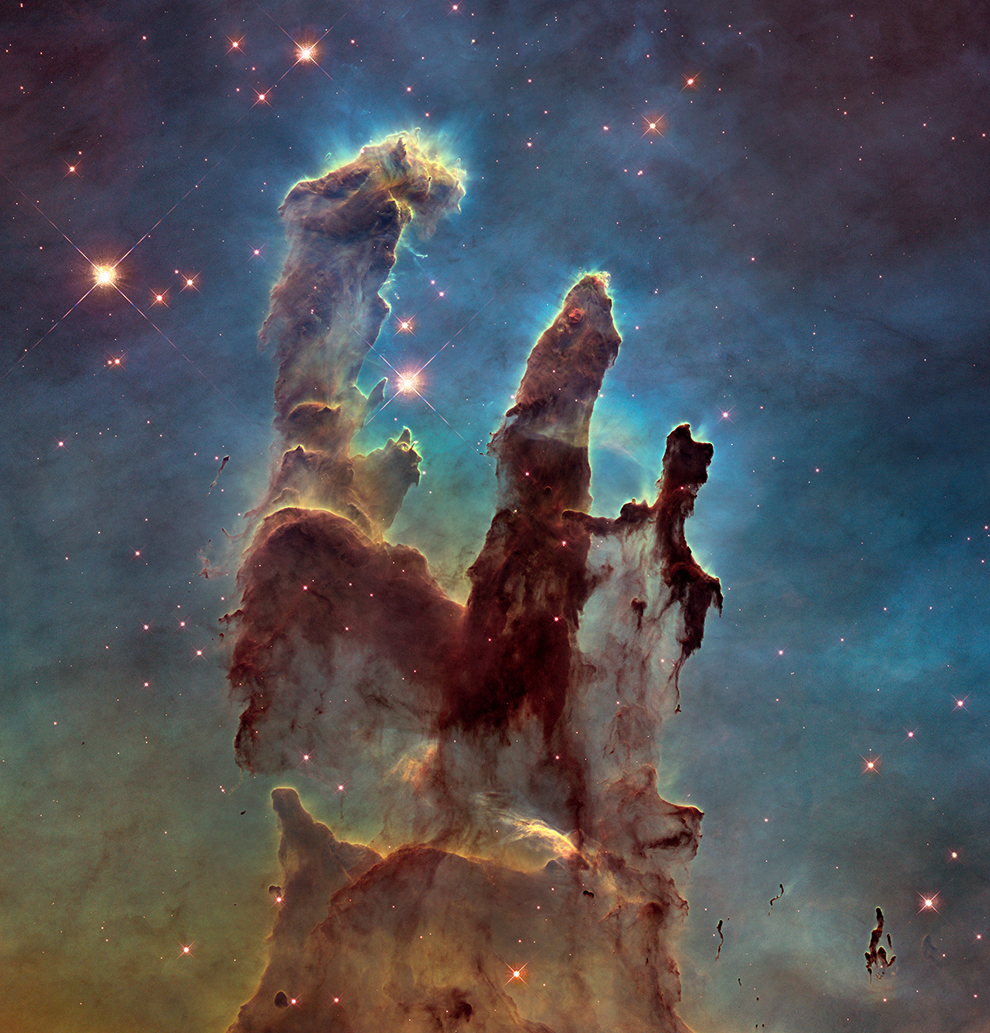
Education Required
A Ph.D. in physics, astronomy, or a related field is needed for jobs in research or academia or for independent research positions in industry.
Training Required
Many physics and astronomy Ph.D. holders who seek employment as full-time researchers begin their careers in a temporary postdoctoral research position, which typically lasts 2 to 3 years. During their postdoctoral appointment, they work with experienced scientists and continue to learn about their specialties or develop a broader understanding of related areas of research. Senior scientists may carefully supervise their initial work, but as these postdoctoral workers gain experience, they usually do more complex tasks and have greater independence in their work.
Job Outlook
The projected percent change in employment from 2016 to 2026: 14% (Faster than average)
Advancement
With experience, physicists and astronomers may gain greater independence in their work, as well as larger research budgets. Those in university positions may also gain tenure with more experience. Some physicists and astronomers move into managerial positions, typically as a natural sciences manager, and spend a large part of their time preparing budgets and schedules. Physicists and astronomers need a Ph.D. for most management positions.
Licenses/Certifications
Some positions with the federal government, such as those involving nuclear energy and other sensitive research areas, may require applicants to be U.S. citizens and hold a security clearance.
Median pay: How much do Physicists and Astronomers make?
$114,870 Annual Salary
$55.23 per hour

dolor sit amet, consectetur magna aliqua. Ut enim ad minim veniam, quisdotempor incididunt r